Lighting is one of the most impactful upgrades you can make to any property. But not all lighting is created equal. Choosing between indoor and outdoor installations involves different considerations, and getting it right from the start saves time, money, and headaches.
Whether you're upgrading your living space or illuminating a commercial exterior, understanding the key differences helps you make smarter decisions.
Indoor Lighting: Comfort, Function, and Efficiency
Indoor lighting serves three main purposes: task lighting for work areas, ambient lighting for general comfort, and accent lighting for aesthetics.
When planning indoor lighting, key factors include:
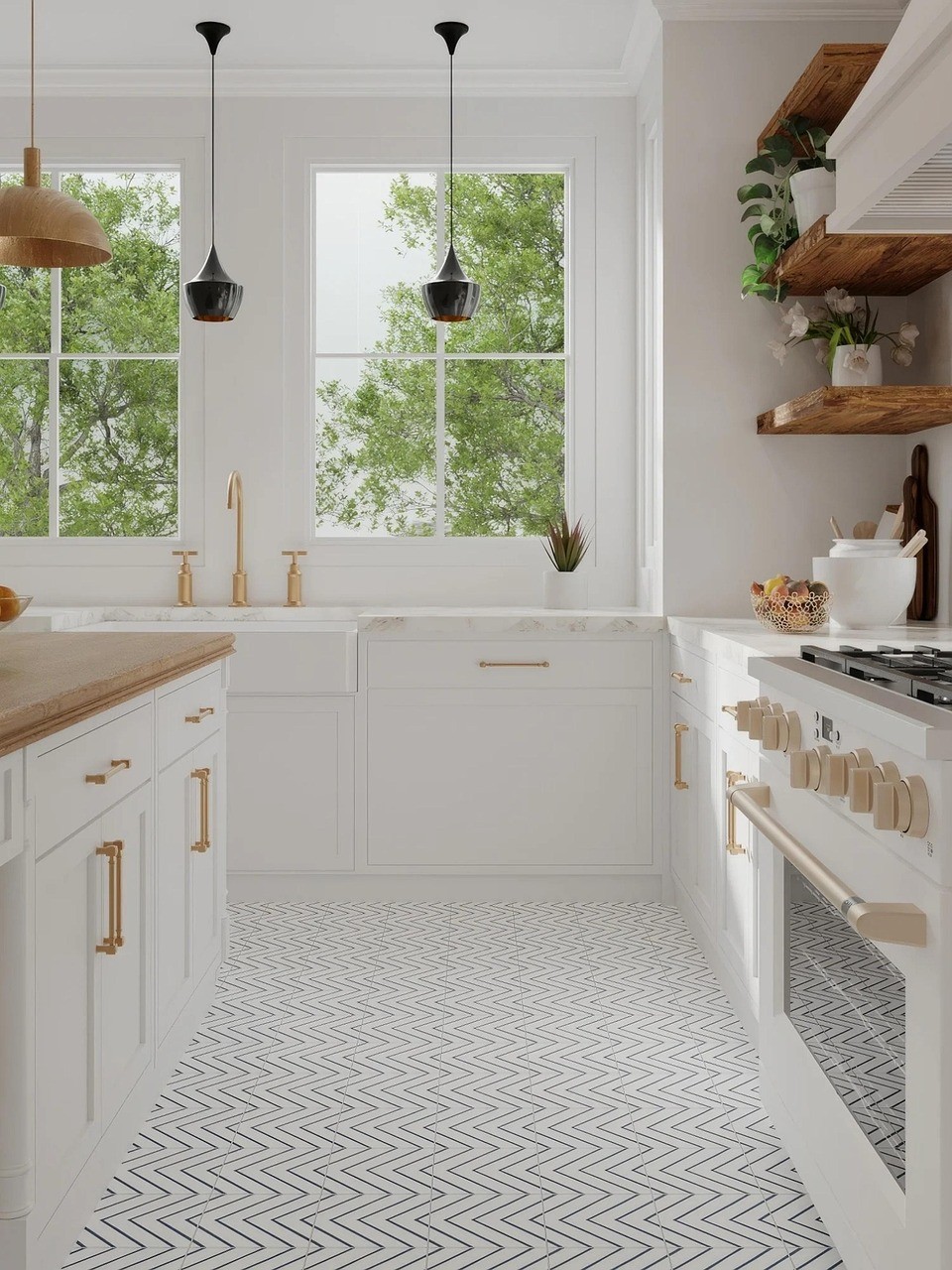
Room function. A kitchen needs bright, focused lighting. A bedroom benefits from softer, dimmable options.
Energy efficiency. LED fixtures consume significantly less power than traditional incandescent or halogen bulbs, reducing your electricity bill over time.
Circuit capacity. Adding multiple fixtures to a single circuit can cause overload if the wiring isn't rated for the total load.
Switch and dimmer compatibility. Not every LED works with every dimmer. Ensuring compatibility prevents flickering and premature bulb failure.
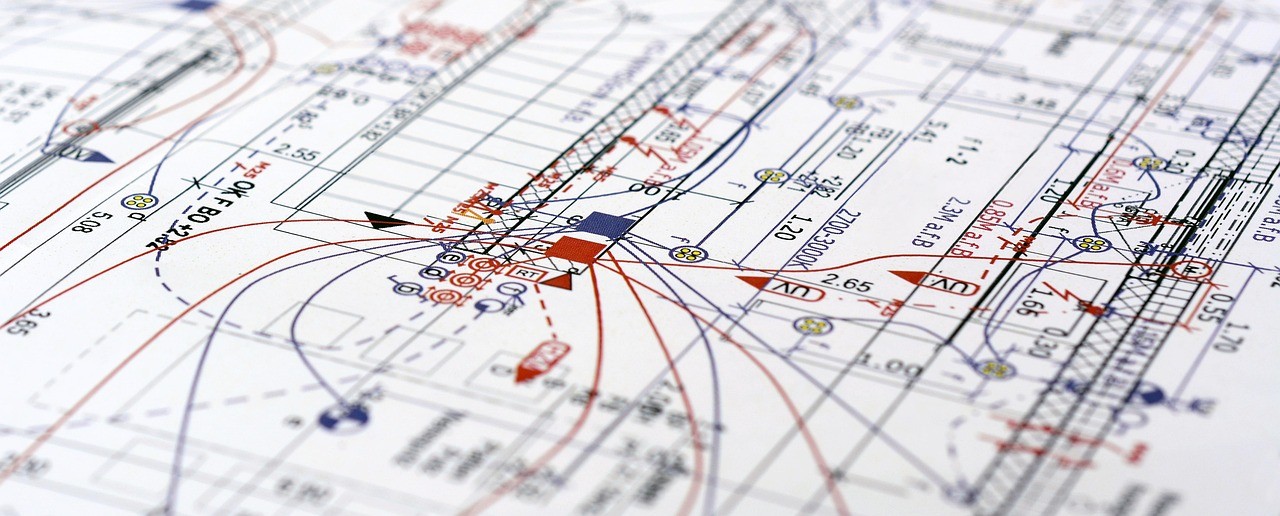
A professional installation ensures proper fixture placement, clean wiring, and code-compliant connections throughout your space.
Outdoor Lighting: Safety, Security, and Curb Appeal
Outdoor lighting has to handle what indoor lighting never faces: rain, wind, temperature swings, and UV exposure. That changes everything about how it's installed.
Here's what matters most for outdoor installations:
Weatherproof ratings. Every outdoor fixture needs the right IP (Ingress Protection) rating to withstand moisture and debris. Using indoor-rated fixtures outside is a common and dangerous mistake.
Dedicated circuits. Outdoor lighting should run on its own circuit with GFCI protection to prevent shock hazards in wet conditions.
Placement strategy. Pathway lights, security floodlights, and landscape accents each require different mounting heights, angles, and spacing for maximum effectiveness.
Automation. Motion sensors, timers, and smart controls add security and reduce energy waste by keeping lights on only when needed.
The Biggest Mistake People Make
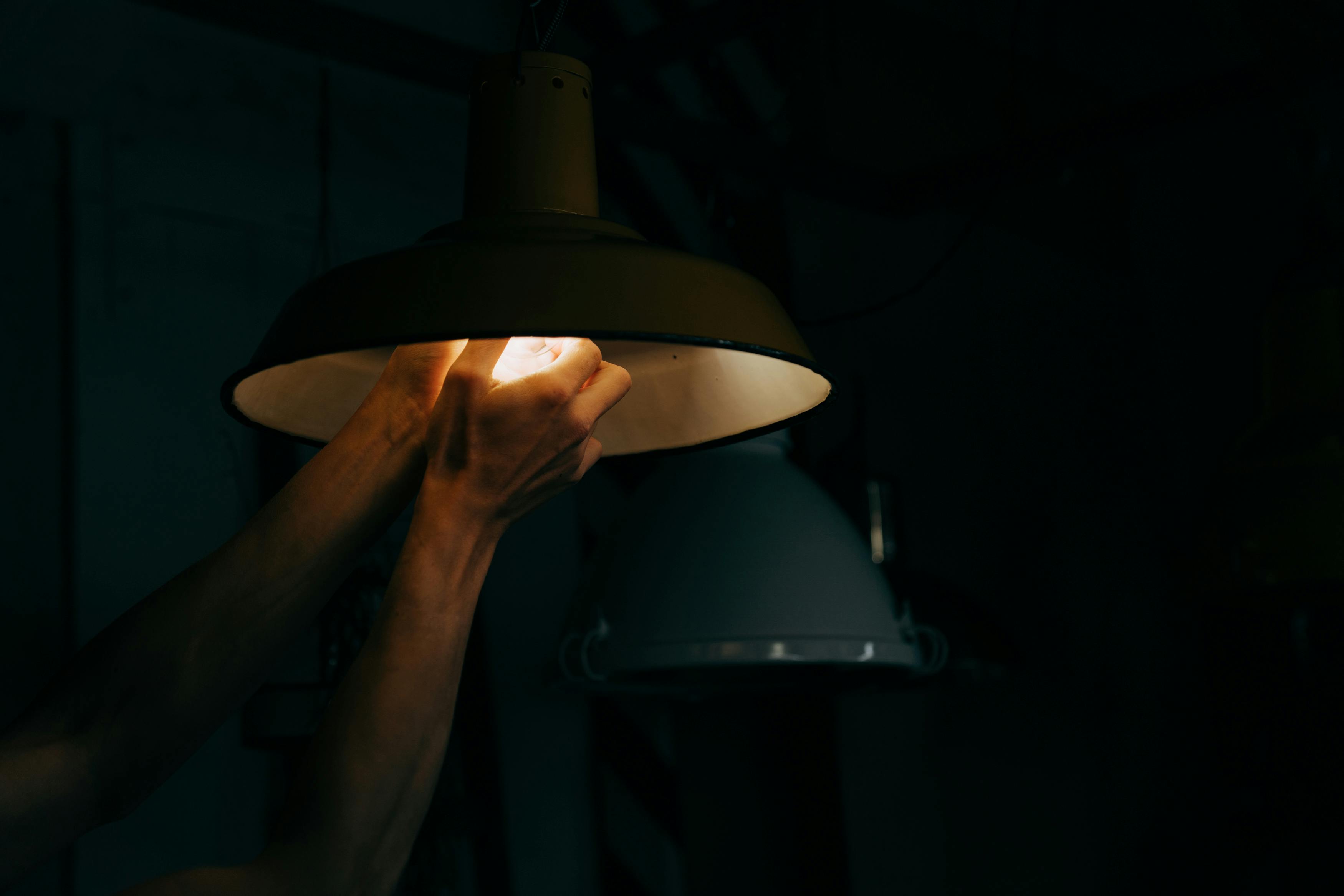
The most common error is treating lighting installation as a simple DIY job. While swapping a bulb is straightforward, installing new fixtures, running wiring through walls or underground, and connecting to your panel safely requires professional knowledge.
Improper installations can lead to:
Short circuits and fire hazards
Water damage from poorly sealed outdoor connections
Voided insurance coverage
Code violations that surface during property inspections
When to Call a Professional
If your project involves any of the following, it's time to bring in a licensed electrician:
Running new wiring or adding circuits
Installing recessed or integrated fixtures
Setting up outdoor landscape or security lighting
Upgrading from old wiring to support LED systems
The right lighting makes your property safer, more efficient, and more inviting. The right installation makes sure it stays that way for years to come.